11xplay App Guide for Android and iPhone Users
Searching for the 11xplay app on Android or iPhone? This beginner-friendly guide compares the two platforms step by step, explains how mobile access usually works through a browser shortcut, digs deep into APK safety, and shares practical performance and permission tips so you can choose calmly and stay in control.
18+ only. Follow your local laws and use online platforms responsibly.
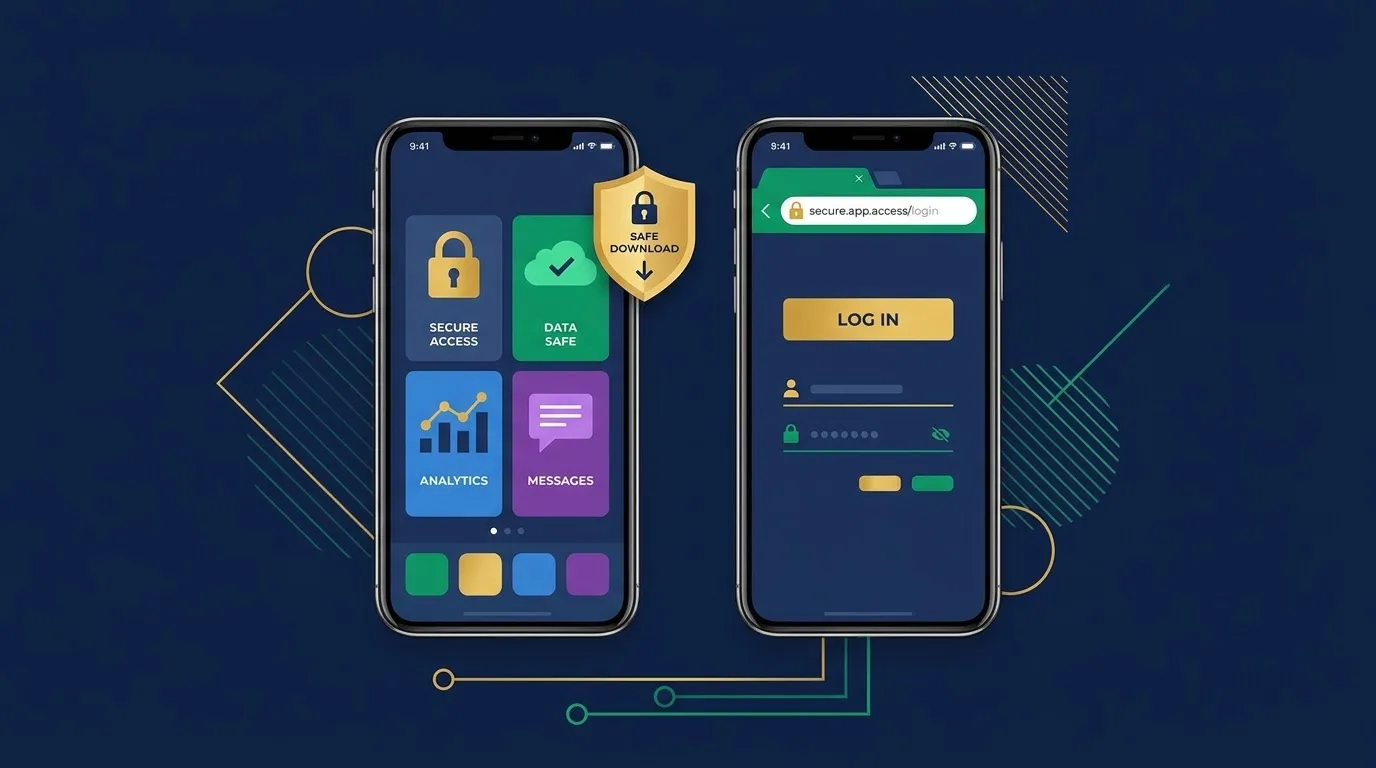
Does 11xplay have a mobile app?
When people search for the 11xplay app, they usually want smooth mobile access rather than one specific download. Most of that access happens through a normal mobile browser, and a home-screen shortcut can give an app-like feel without any file at all.
It helps to separate two ideas that often get mixed together. The first is an installed application, which is a file you download and keep stored on your phone. The second is browser access, where you simply open a web address and use the platform like any other website. For most people searching around 11xplay, the browser route is the simplest, cheapest and most familiar starting point, because you already know how to open a website on your phone.
This is the official 11xplay ID portal, and our aim is to explain how mobile access works so you can create your ID and sign in with confidence rather than in a rush. New readers often expect a big App Store or Play Store listing to appear, and when it does not, they feel unsure. The reassuring truth is that a browser and a good shortcut cover almost everything a beginner needs. Just use only our official 11xplay links and WhatsApp channel, and steer clear of fake or duplicate sites that copy the real thing.
Think of it like reading the news. You do not always need a dedicated app to read a newspaper online; a bookmark or a home-screen icon does the job perfectly. The same logic applies here. If you are just getting started, the wider picture in our detailed 11xplay app guide and the main 11xplay ID guide on our homepage will help you understand the full journey before you decide anything.
Android vs iPhone at a glance
Android gives you more flexibility to install files, while iPhone is built around browser-first access. Both reach the same place, but the safest and simplest habits differ slightly between the two platforms.
Understanding the difference early saves confusion later. Android is more open, which means it can install files from outside the Play Store when you allow it. That flexibility is useful, but it also puts more responsibility on you to check the source. iPhone is more locked down by design, so it steers you toward Safari and the browser, which naturally removes many risky download decisions before they ever appear.
| Primary browser | Android: Chrome · iPhone: Safari |
|---|---|
| Usual access route | Browser shortcut on both platforms |
| Can install outside store | Android: yes, with caution · iPhone: rarely, browser-first |
| Home-screen shortcut | Add to Home screen (both) |
| Storage used | Almost none for a shortcut on either device |
| Main safety focus | Android: verify any file · iPhone: verify the web address |
| Best for beginners | Browser shortcut on both, no download needed |
The table shows a clear pattern. Whatever phone you hold, the browser shortcut is the low-risk starting point. The main difference is where your attention should go: Android users must be careful about any file they install, while iPhone users mainly need to confirm they are on the correct web address shared by support rather than a copycat link.
Android access, step by step
On Android, the easiest and safest route is to open the correct web address in Chrome and add it to your home screen. This creates a quick shortcut that opens instantly, without installing any separate file.
- Open Chrome
Launch Chrome and visit the correct access point shared by support. Type or paste the address carefully so you are not led to a lookalike page.
- Open the menu
Tap the three-dot menu in the top-right corner of Chrome to reveal the browser options.
- Add to Home screen
Choose Add to Home screen, confirm the name you want, and place the shortcut where you can find it.
- Use the new icon
Tap the fresh icon whenever you want quick access. It behaves like an app but is powered by your browser.
This approach keeps everything light and honest. You avoid unknown downloads, your browser handles security updates automatically, and you still get one-tap access from the home screen. If someone ever pushes you toward an unfamiliar file with urgency, slow down. Genuine support will never rush you or ask for a password over chat.
Android also gives you helpful control over your browser. If pages ever feel slow, clearing the cache, closing extra tabs and keeping Chrome updated usually restores a smooth experience. As a worked example: if the shortcut opens to a blank screen one morning, do not reinstall anything. Instead, refresh the page, check your connection, and clear the cache. Nine times out of ten the issue is local, not a broken app, and a browser refresh solves it in seconds.
Verify any APK before installing. Before installing any APK on Android, check that the source is genuinely recommended by support, review the permissions it asks for, avoid files sent by unknown numbers, and never enter your password anywhere except the official login screen.
iPhone browser access, step by step
On iPhone, access is browser-first through Safari or Chrome, and you can add a home-screen shortcut for convenience. There is usually no need to install a separate file at all.
- Open Safari
Open Safari and visit the correct web address shared by support. Safari is the default and works smoothly for shortcuts.
- Tap the share icon
Tap the share icon at the bottom of the screen to open the sharing and shortcut menu.
- Add to Home Screen
Scroll and select Add to Home Screen, then confirm the name so the icon is easy to recognise.
- Launch it normally
Open it like any other icon on your iPhone. It fills the screen and feels close to a native app.
Because iPhone strongly favours browser access, this shortcut method matches how the device is designed to work. It is clean, quick, and keeps you away from risky downloads that iPhone rarely allows anyway. If you use Chrome on iPhone instead of Safari, the idea is the same; only the menu location changes slightly.
A practical tip for iPhone users: if a page keeps asking you to sign in repeatedly, check whether Safari is blocking cookies or you are browsing in a private tab. Private tabs forget your session on purpose, so a normal tab usually keeps you signed in for longer and reduces repeated login prompts.
Need help getting started on mobile?
Ask support for clear, step-by-step guidance on safe mobile access and login, tailored to your Android phone or iPhone.
Why browser access suits most users
Browser access wins for most people because it is lighter, safer and easier to update than any installed file. For a beginner, it removes the hardest and riskiest decisions from the very start.
A browser shortcut uses almost no storage, which matters if your phone is nearly full or you are on a modest data plan. It also updates itself, because the website loads fresh each time and your browser handles its own security patches quietly in the background. You never have to hunt for a new version or worry that an outdated file is holding you back.
Safety is the biggest advantage. Every APK you sideload is a decision that carries some risk, however small. A browser shortcut avoids that decision entirely, because there is no file to trust, no unusual permission to grant and nothing hidden to run. For readers who simply want to view and access their account, this is the calmest path, and it works the same way on Android and iPhone.
There is also a convenience angle. Because the shortcut is just an icon pointing at a web address, you can remove it and re-add it in seconds without losing anything important. If you switch phones, you simply open the browser on the new device and add the shortcut again. Nothing complicated needs to be transferred, which makes browser access forgiving for less technical users.
Mobile login tips that prevent errors
Smooth mobile login comes down to entering your details carefully and keeping your connection stable. Small mistakes like extra spaces or a weak signal cause most sign-in trouble on phones.
- Type your user ID and password slowly, without any trailing spaces from autocorrect.
- Use a stable Wi-Fi or mobile data connection before you begin.
- Complete any OTP or verification step promptly, as codes expire quickly.
- Keep your password private and enter it only on the login screen.
- Turn off aggressive autofill if it inserts the wrong saved details.
Worked example: imagine your OTP is delayed. Instead of requesting five new codes in a row, wait a short moment, confirm your number has signal, and check that your SMS inbox is not full. Requesting many codes quickly can lock the step temporarily, so patience is often faster than panic. If the delay continues, a quick message to support usually clears it up.
Another common snag is the keyboard hiding a field on small screens. If you cannot see what you are typing, scroll the form up gently or rotate the phone so the login box sits above the keyboard. If sign-in keeps failing after these checks, our 11xplay login help page walks through common problems and easy fixes in more detail, and the register guide explains how first-time details are usually set up.
APK safety deep-dive
If you ever consider an APK, treat safety as the first priority, not an afterthought. A careful check takes a minute and protects both your device and your account details.
An APK is an Android installation file. Unlike a browser shortcut, it runs as software on your phone, so a bad one can request access it should never need. This is exactly why the source matters so much. A file from an unknown link or a stranger on chat carries far more risk than a browser page, because you cannot easily see what it does once installed.
Use this simple do and don't checklist before you even think about installing anything:
- Don't install a file sent by an unknown number or a random forwarded link.
- Don't grant permissions like SMS, contacts or device admin to a basic access file.
- Don't enter your password inside a pop-up that appears outside the normal login screen.
- Do confirm the source is genuinely recommended by support first.
- Do read every permission request slowly and question anything unusual.
- Do prefer the browser shortcut whenever you feel unsure.
Here is a myth worth clearing up. Many people assume a downloaded file is automatically faster or more official than a website. That is not true. A well-built web page can feel just as quick, and being a download does not make something safe or genuine. Judge any file on its source and the permissions it asks for, never on the simple fact that it exists.
If you have already installed something and now feel uneasy, you can uninstall it, clear its data, and switch back to browser access. Then change your password from a trusted device and reach out through the support page. Acting early is far better than ignoring a bad feeling, and browser access gives you a clean, low-risk place to restart.
Permissions to watch closely
A simple access file should never need deep control over your phone. Unusual permission requests are one of the clearest warning signs that something is not right.
Permissions are the doors you open to any installed software. Some are reasonable and expected, while others should make you pause immediately. The trick is to match the permission to the purpose. A viewing shortcut does not need to read your text messages, and a login screen does not need to control your device settings.
| Storage for cache | Usually reasonable for basic viewing |
|---|---|
| Network access | Expected, since the platform loads online |
| Contacts | Question it — a viewer rarely needs your contacts |
| SMS / call logs | Strong warning sign for a simple access file |
| Device administrator | Avoid — this grants deep control of your phone |
| Install other apps | Avoid — a genuine viewer does not need this |
If a file asks for the items on the warning rows, stop and reconsider. Browser access sidesteps this entire problem, because a web page runs inside your browser's own safe boundaries and cannot quietly claim these permissions. That is one more reason the shortcut method remains the calmer choice for most readers.
Mobile performance and battery tips
A fast, battery-friendly experience usually depends on a clean browser and a steady connection. A few simple habits keep pages loading quickly on any phone without draining power.
- Clear your browser cache from time to time to remove stale, heavy data.
- Close heavy background apps before you start a session.
- Keep your browser updated to the latest version for speed and security.
- Switch networks if one connection is unusually slow or unstable.
- Lower screen brightness slightly on long sessions to save battery.
Worked example: suppose pages load quickly on Wi-Fi at home but crawl on mobile data outside. That is a signal about your connection, not the platform. Move to a spot with a stronger signal, disable a data saver that might be compressing pages awkwardly, and try again. Small connection fixes often solve what feels like a big performance problem.
Battery matters too. Long sessions with maximum brightness and many open tabs will drain any phone. Closing unused tabs, dimming the screen a little and keeping the device cool all help. These habits cost nothing and quietly make every session smoother, which is far more valuable than chasing a special download that promises speed it cannot really deliver.
Common mobile mistakes to avoid
Most mobile trouble comes from a handful of avoidable mistakes, not from the platform itself. Knowing them in advance saves time and keeps your account safer.
- Installing a file from a forwarded link without checking the source.
- Typing your password into a pop-up that appears outside the login screen.
- Ignoring a strange permission request just to finish quickly.
- Requesting many OTP codes in seconds when one is simply delayed.
- Using a public or unsecured Wi-Fi network for sensitive sign-in.
- Saving login details on a shared or family phone.
Each mistake has a calm fix. Verify before you install, only ever type your password on the real login screen, and slow down when something asks for more than it should. If you share a phone, sign out after each session and avoid saving details in the browser. These simple habits prevent the situations that cause the most stress later.
Responsible use on mobile
Mobile access is convenient, which makes responsible habits even more important. This guide is only for adults aged 18 and above who follow their local laws.
Because a phone is always in your pocket, it is easy to check in too often or spend longer than you intended. Setting personal limits, taking regular breaks and never chasing a frustrating session are sensible habits on any device, and they matter more when access is one tap away on your home screen.
Keep your account details private, avoid unverified files, and use support carefully rather than sharing sensitive information in random chats. For a complete safety checklist and the wider picture on healthy habits, read our responsible-use policy. Treating mobile access with the same care you would give any personal account keeps the experience calm and in your control.
Conclusion
For most users, the 11xplay app question is really about smooth, safe mobile access, and a browser shortcut answers it well on both Android and iPhone. Android gives you more flexibility but asks for more caution around files, while iPhone leans on browser access by design. Whichever phone you hold, keep your login details private, verify any file before installing, watch the permissions it requests, and lean on a clean browser for speed. When you are ready, the WhatsApp CTA connects you to help, and our app access guide and homepage guide keep the rest of the information in one place.
Last Updated: July 2026
Editorial Note: This is the official 11xplay ID portal, helping users with mobile access, safe login, APK caution and phone permissions. Information is reviewed regularly for accuracy, safety and responsible use.
Frequently Asked Questions
Many users search for a 11xplay app, and most access happens smoothly through a mobile browser. This is the official 11xplay ID portal, so always use only our official 11xplay links and WhatsApp channel to reach mobile access. Beware of fake, cloned or duplicate sites, and never assume a random download link is genuine.
An app is a file you download and store on your phone, while a browser shortcut is just an icon that opens a web address. The shortcut needs no installation, updates automatically through your browser and avoids the risks that come with unknown downloads.
Yes, iPhone users usually rely on the Safari or Chrome browser rather than an installed file. A browser shortcut on the home screen often gives an app-like experience with full-screen viewing and one-tap access, without any download or App Store search.
An APK can be risky if the source is unknown. Verify the source with support, review every permission it requests, avoid files sent by unknown numbers, and never share your password outside the login screen. When in doubt, browser access is the safer and simpler choice.
Be careful when a simple access file asks for your contacts, SMS messages, call logs or device administrator rights. A basic viewing shortcut does not need deep access to your phone. Unusual permission requests are a strong signal to stop and verify with support first.
Slow mobile access is usually caused by a weak connection, a full browser cache or heavy background apps. Clearing the cache, closing extra tabs and switching to a stable network often restores speed. A clean browser matters more than any single download for smooth performance.
Yes, a home-screen shortcut adds almost no storage because your existing browser does the work. It avoids the space, background data and update downloads that an installed file can consume, which is helpful on phones with limited storage or a modest data plan.
First check your internet, then clear the browser cache and try again. If it still fails, switch between Wi-Fi and mobile data, close other tabs and update your browser. If the problem continues, contact support through the WhatsApp CTA for step-by-step help.
This is the official 11xplay ID portal, intended only for adults aged 18 and above who follow their local laws and use online platforms responsibly. Create your 11xplay ID, sign in and get 24x7 WhatsApp support here, and always use only our official 11xplay links to stay safe from fake sites.